8 December 2025
Thinking outside the box is commonplace here at European Cargo. Our unique and innovative passenger-to-freight conversion of A340-600s, inspired by our efforts in transporting essential test kits and PPE during the COVID-19 pandemic, has led to additional investment and the opportunity to expand the fleet.
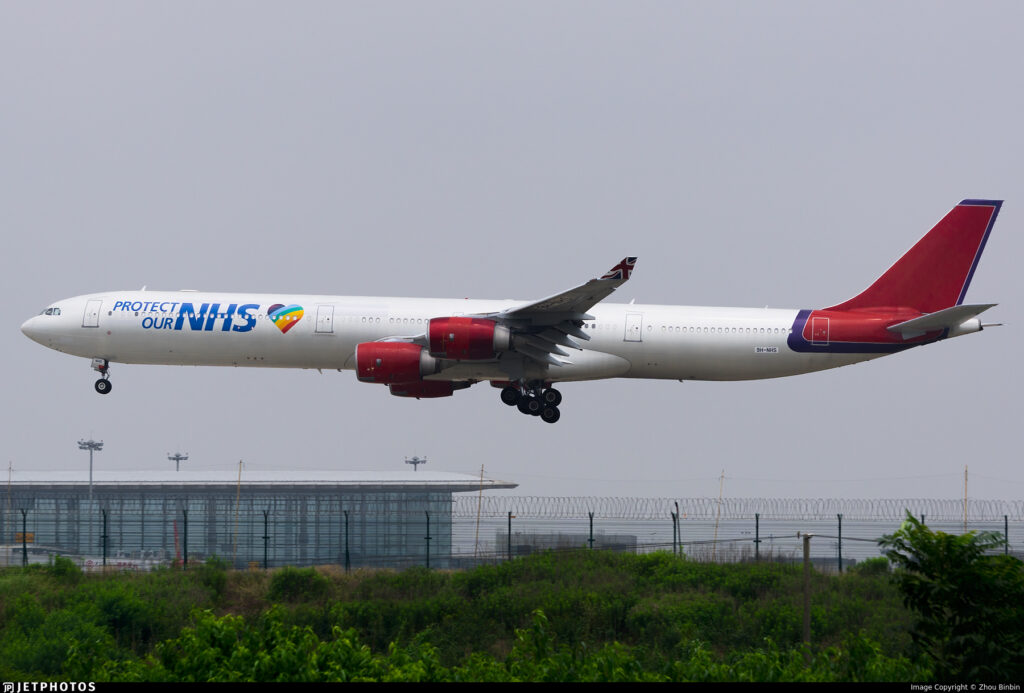
Photo Credit: Zhou Binbin
Throughout 2025, we have transformed the fleet, completing heavy maintenance on some aircraft and bringing our official flying fleet from three to six.
And let’s just say it hasn’t been a straightforward process. Every team across ECL has worked tirelessly on engineering, maintenance, conversion, recruitment, commercials and operations, to support the growth of our fleet and the business itself.
An exciting place to be, albeit with a lot of hard work. Let’s dig into the journey of getting these once-abandoned A340-600s back into full flying health.
A maintenance backlog
We acquired 16 A340-600s from various operators back in 2018, but it wasn’t until the pandemic that the business and opportunity to use these aircraft for cargo really came about. From there, European Cargo, as we operate today, was born, and with our first few converted planes, we secured clients, operating routes between Bournemouth and various locations in China.
Over the last couple of years, we reviewed all the aircraft for their airworthiness – some were in worse shape than others, making the maintenance updates and engineering requirements more costly and time-intensive.
Every plane, for it to be airworthy, must have a complete set of records documenting all of its history, maintenance and checks. Without these records, aircraft are not worth much at all.
Many of the planes needed a lot of maintenance, as during COVID, when they weren’t flying, regular maintenance and checks were put on hold, and there was a real backlog we had to tackle. We had to manage the maintenance schedule together with the flying schedule so that we could continue operating without any disruption, whilst also completing essential maintenance checks.
During the course of the year, together with partners globally, including Germany, South Africa and the Philippines, we were able to complete all this maintenance work and bring in new aircraft into operation – notably Lima Bravo and Lima November.
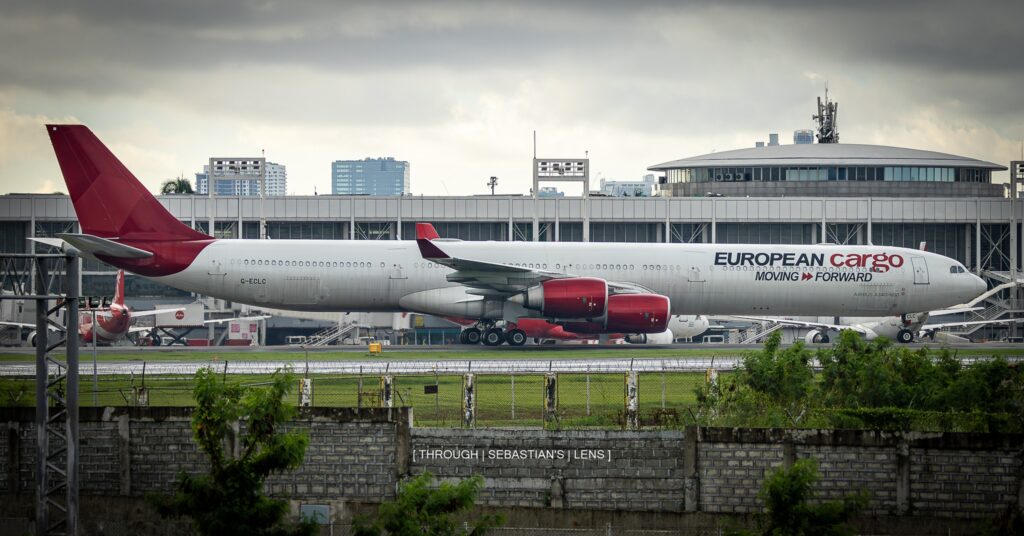
Photo Credit: Through Sebastian’s Lens
The biggest challenge yet: Lima Echo
Both a highlight and a huge undertaking was the Lima Echo recovery project. This aircraft was originally sold for scrap, with no official delivery binder. However, with our innovative minds seeing an opportunity, the ECL team decided it could and would be saved.
We received all Lima Echo’s documentation in piles of boxes – each one filled with records mostly… in Spanish. So not only did we have to dig through all the information to find and document what we needed to get the plane airworthy, but we also had to translate everything into English!
Luckily, we had access to a network of support from the previous operator and brought in a new tool, ROAM. This solution helped us review, index and translate all the documents – making the process a lot quicker and smoother than we originally anticipated.
Once we were sure that the physical airworthiness of Lima Echo and its records had been completely restored, we presented the aircraft to the CAA (Civil Aviation Authority). They spent a few days onsite, auditing and checking Lima Echo before it was awarded its Airworthiness Review Certificate (ARC).
None of this would have been possible without the intense efforts of both our CAMO team and our maintenance and engineering teams.
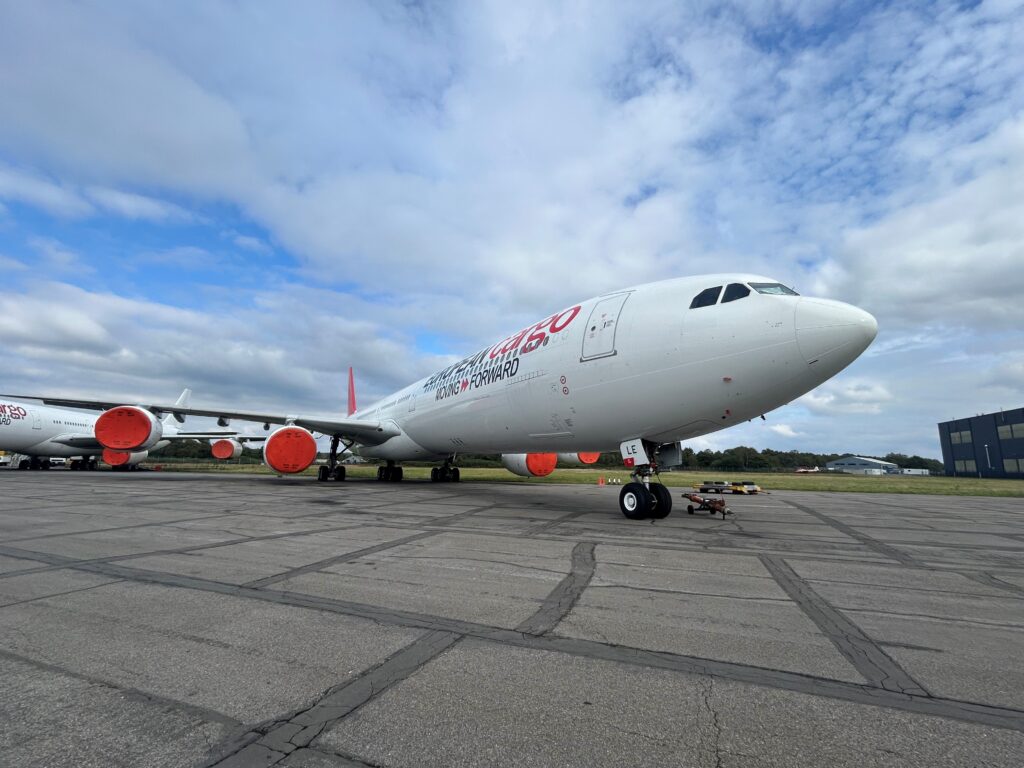
Photo Credit: John Frewin
Pioneering new aviation possibilities
Every team here at ECL is driven by our core values, with a pioneering approach at the heart of all our efforts in conversion, maintenance and growth.
Previous operators saw no value in these aircraft; they were ready to scrap them and move on to their next model. It’s a classic case of “what’s unwanted by some can be invaluable to others”. So much so that Airbus itself are fascinated by how we can extend the life of their aircraft, beyond what they even thought possible.
Our team has an open mind, thinks outside the box and comes up with innovative ways to give these planes a new life and a commercial opportunity in the cargo industry.
What’s next for ECL?
Now six aircraft have completed all their maintenance and are always ready to fly, the team are looking at the next planes to join the fleet and evaluating the maintenance and investment requirements.
We hope to introduce a 7th plane into the fleet in early 2026, following its final checks and conversion to our unique cargo configuration.
Watch this space!